
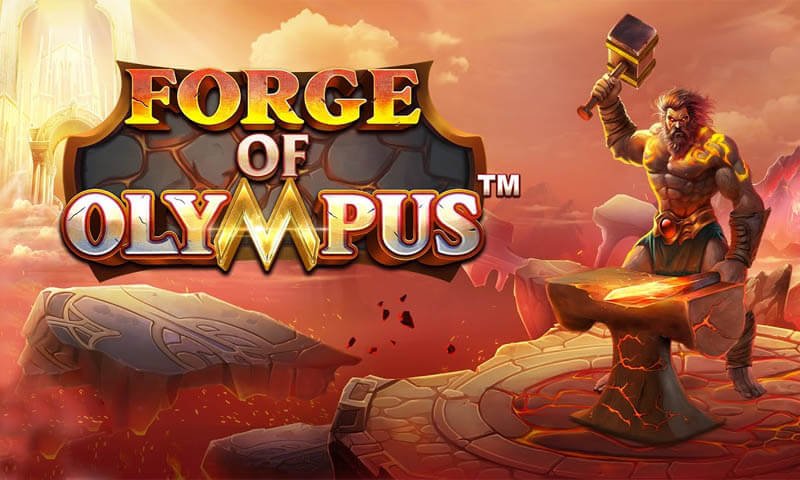
Imagery might draw your eye first in an online slot, but sound is what shapes the world. It supplies the sensation, the texture, the soul. Forge of Olympus, a game rooted in the myths of ancient Greece, achieves this. Its audio isn’t just background noise. It’s a vital piece of the experience, built to pull you in from the moment you hit spin. Every sound has a purpose. The heavy clang of a hammer on an anvil doesn’t just happen; it lands with weight. The deep rumble of a god’s power vibrates through the session. A swell of orchestra music signals a triumph. This careful sound design locks together with the game’s graphics and features. It forges a complete portal to a workshop high on Olympus, a place of divine craft and potential riches. For the player, it means your ears are just as involved as your eyes. The magic here is forged from what you see and what you hear.
The Sound Design of the Forge: Realistic Sound Effects
Music sets the mood, but sound effects provide the physical feel. The team behind Forge of Olympus searched for and designed sounds that fit what you see on screen. This focus on detail is apparent in every part of the game.
- Reel Mechanics: Beginning a spin comes with a solid, mechanical cranking noise, like you’re engaging some ancient gear. The reels turn with a smooth, heavy whoosh, and each one stops with a definitive metallic clunk.
- Symbol Interactions: Each symbol type has its own sound. A hammer symbol drops with a hard clang on an anvil. A god symbol might emerge with a shimmering, magical chime. Your ears inform you what showed up before you fully recognize the image.
- UI Feedback: Even the menus click and sweep with sounds that fit. Adjusting your bet or opening settings feels part of the forge’s steampunk-meets-mythology style.
This commitment to realistic foley achieves something smart. It transforms a digital game, an abstract idea, appear solid and responsive under your fingers.
The Science of Audio: Creating Anticipation and Reward

The sound design here is a clever study in psychology. Audio cues shape your mood and focus, which keeps you engaged. Think about a cascade sequence. The musical pitch often rises and its tempo quickens, generating pressure like a speeding heartbeat. Then there’s a classic technique: a brief of total silence right before a big win is displayed. That silent pause creates a gap of expectation. When the triumphant sound erupts subsequently, it feels even better. These sonic patterns program your brain through encouragement. You start to crave those pleasurable sounds that accompany a win, which renders the experience feel enjoyable and compelling. Done right, as part of a honest game, this psychological layer transforms a basic slot into a compact emotional story. The sound directs you from wonder, through pressure, and eventually to release.
Immersive Audio and Spatial Techniques
To pull you in even deeper, Forge of Olympus uses spatial audio techniques. You don’t need special headphones to notice it. The game uses audio panning and skillful mixing to establish a feeling of space and direction. Sounds aren’t all crammed into the center. They move. A winning symbol might glint from your left speaker over to your right. The rumble of a god’s ability can come across like it engulfs you. This design isn’t just for show. It brings clarity. When a bonus round gets hectic with lots of things happening at once, your ears can differentiate the different sounds. It also turns the divine workshop feel huge and echoing. For anyone with a stereo setup, it creates a cinematic feel. The game world isn’t confined flat on the screen; it seems alive and spacious all around you.
The Symphony of the Divine: An Audio Philosophy
Forge of Olympus treats its sound as a narrator. You will not encounter generic casino tunes here. Instead, a full orchestral score saturates the air, the kind you’d hear in a film about epic legends. This choice carries weight. It does not simply launch a game; it unlocks the doors to Hephaestus’s workshop. The music transforms as you play. It holds a steady, tense rhythm during normal spins, then explodes into soaring crescendos when bonuses trigger. This thinking reaches to every click and clatter in the game. Designers label these foley sounds, and they’re made to appear like they belong in the world. The reels spin with a celestial whoosh. Coins land with a distinct, metallic ring, as if freshly minted in the forge. Because every sound supports the theme, the game seems real. It turns into a place you remember, long after you close your browser tab.
Responsive Audio: Reacting to the Game State
A continuous music gets old fast. Forge of Olympus uses a responsive system where the audio shifts based on what’s happening. The soundtrack evolves. During regular play, the music might keep a steady, waiting rhythm. But get a few scatters or trigger a cascade, and the audio transforms. The music swells, adding more instruments. Sound effects become more pronounced and more multilayered. The biggest changes occur during a bonus round or a major win. The score often changes to a victory theme, all driving drums and victorious brass. This responsiveness builds a direct link in your brain between action and reward. You start to connect those encouraging, exciting sounds with success. It makes every win, even a small one, feel more satisfying. The game feels like it’s listening and responding to you.
Creating a Fresh Benchmark for Slot Audio
The engrossing sound in Forge of Olympus goes beyond breaking the quiet. It transforms what audio can be in an online slot. By turning sound an key element to the math and the graphics, the game creates something whole. It proves that meticulous attention to sonic detail—thematic music, realistic effects, adaptive systems, psychological pacing—can boost player engagement to a higher level. For players, it offers a rich, cinematic adventure. For other developers, it creates a new bar. It proves that players, maybe without even knowing it, are craving this kind of sensory depth and cohesion. In the grand workshop of game development, where all the elements are fused together, the sound in Forge of Olympus is the divine spark. It transforms polished code and art into a legendary item, captivating players not just with the promise of a payout, but with the sheer power of a journey for your ears to the home of the gods.
Technical Mastery: Incorporation and Gamer Control
The craftsmanship of the audio is one thing, but it demands perfect technical performance to work. Forge of Olympus offers. All audio is fine-tuned to stream without issues or interruptions, so nothing disrupts your focus. The code precisely syncs sound with visuals, so a hammer’s visual hit matches its audio sound exactly. Just as vital, the game gives you command. You typically find a full set of audio options to adjust:
- Master Volume: Controls the overall sound level.
- Music Volume: A control just for the background soundtrack.
- Sound Effects Volume: Dedicated control for all the game’s action and win sounds.
- Mute Toggle: A quick button to silence everything.
This degree of control is essential https://forgeofolympus.net/. It allows you customize the session for your environment, whether you’re wearing headphones for the full epic scope or require to keep things silent. The technical polish ensures the sound team’s vision reaches every player, dependably and versatilely.
Contrast and Silence
Great sound design isn’t about filling every second with noise. The strategic use of silence and contrast is a key element, and Forge of Olympus uses it well. It keeps your ears from wearing out and amplifies the impact of loud moments. The game features deliberate pauses where the ambient layers soften, giving you a moment of rest. The most striking example is that «win anticipation» hush. When the game processes a potential major win—applying a multiplier or tallying a bonus prize—the music and ambience often cut out completely. All that’s left is a tense, quiet focus on the screen. Then, as the win is confirmed, the dramatic resurgence of audio is a massive relief. This dynamic range, from near-silence to full orchestral blast, is what lends the sound its emotional power. It prevents the audio from turning into a repetitive barrier and sustains the dramatic feel.
Building the Ambience: Music and Atmospheric Layers
The atmosphere in Forge of Olympus is built in layers. At its base is that orchestral music, full of strings, brass, and choral hints that speak of old power and mystery. It’s mixed to be noticeable but not overpowering, even during a long playing session. On top of this, you perceive the forge itself. It’s there in the background: the faint, echoing tap of hammers, the low and constant growl of fire, a gust of wind that might be a god sighing. These sounds are placed to give the space depth and dimension. Together, the music and ambience do a particular job. They center your mind. They shut out the distractions of your room and pull you into the screen. This soundscape also guides your mood. It creates a quiet tension as you pause, then rewards you with a blast of heroic fanfare when you win. The result is a session that feels more like an occasion.