

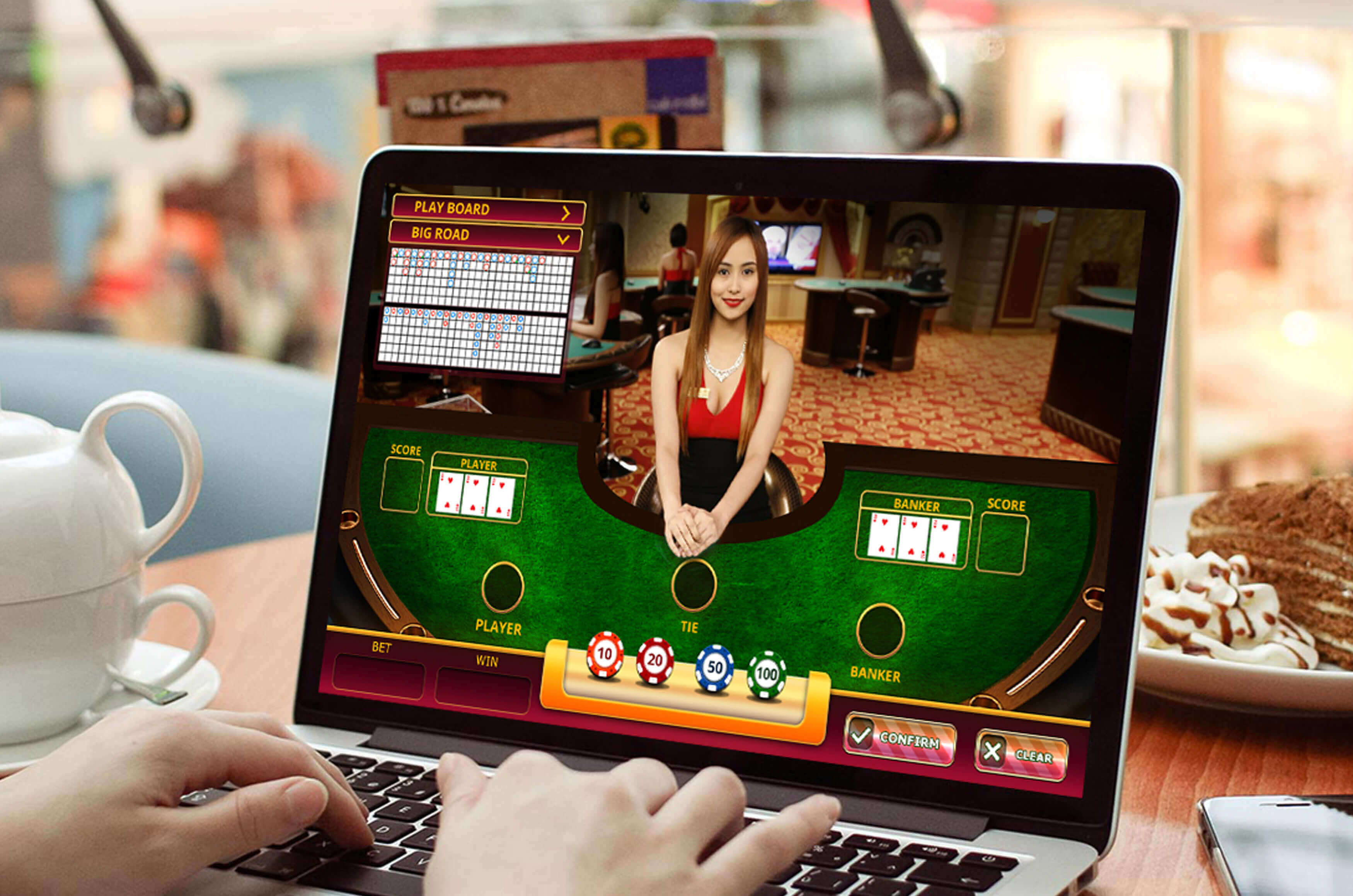
Mafia Kasino Výběr Casino je pro české hráče pojmem nabitého herního dobrodružství. Zapálení návštěvníci tu najdou přesně to, co hledají: opravdovou zábavu a opravdové vzrušení. Herní lobby žije vlastním životem, bonusy vás pozitivně zaskočí a každá návštěva přináší něco nového. Tady se zábava opravdu nepřerušuje. Každá minuta strávená hraním je hodnotná.
Vítejte v domově nekončící zábavy
Mafia Casino vítá české hráče bez předsudků a okamžitě je zve dál. Svět plný možností na vás čeká hned za dveřmi. Atmosféra je specifická, mísí styl s neformálním přístupem. Už od prvního kliknutí je jasné, že tento portál myslí na své hosty. Návštěvníci mají pocit, že patří do uzavřené komunity lidí, kteří chápou dobré zábavě.
Podstatné je plynulé a poutavé hraní bez zbytečných komplikací. Web je vytvořený intuitivně, všechno podstatné máte na dosah. Hráči se tak můžou soustředit jen na to hlavní – na samotnou hru. Mafia Casino vytváří prostředí, kde se čas pozastaví a zábava pokračuje na plné obrátky s každým dalším spuštěním rulety nebo otáčením válců.
První dojem posiluje dynamický úvodní banner, který láká na právě běžící akce. Navigace v horní části stránky je přehledná, takže přechod mezi sekcemi trvá vteřinu. Vzhled kombinuje moderní čistý design s prvky, které evokují napětí a trochu té herní elegance. Všechno do sebe zapadá a tvoří ucelený obraz.
Speciální bonusy pro začínající i stálé hráče
Mafia Casino si váží svých hráčů, a proto pro ně chystá atraktivní bonusové programy. Vstupní balíček dává skvělý start a přináší hře nezbytný impuls. Pravidelní hráči pak pravidelně nacházejí ve svém účtu příjemná překvapení – free spiny nebo vkladové bonusy. Pravidla jsou průhledné a s férovým přístupem.
Mimořádné akce se mění s kalendářním obdobím nebo svátky, takže nuda není. Loyalitní program ocení častou hru a navyšuje kompletní spokojenost. Bonusy nejsou jen pouhý slib, ale opravdová přidaná hodnota. Rozšiřují herní čas a přidávají šanci na zajímavou výhru.
Uvítací bonus typicky zahrnuje match bonus na první vklad a doplnění free spinů na určité sloty. Týdenní akce můžou nabízet cashback za ztracené hry nebo turnaje s peněžitými cenami. Ke každému bonusu přísluší jasně definované wagering požadavky. Jsou obvyklé a reálně splnitelné.
VIP klub pracuje na víceúrovňovém systému. Hráči posouvají se výš s každým vkladem. Vyšší úrovně poskytují osobního account manažera, zvýšené limity pro výběry a třeba dárky k narozeninám. Tento systém pobízí k častějším návštěvám a formuje pocit, že jste tu výjimeční.
Bezpečné a rychlé transakce v českých
Transakční operace v Mafia Casino jsou uzpůsobeny pro maximální pohodlí českých. Všechny transakce probíhají v českých korunách. Mizí tak zbytečné převody a poplatky za směnu. Nabízených platebních metod je bohatá řada, od bankovních převodů přes platební karty až po novodobé elektronické peněženky. Peníze kasino vyřizuje s ohledem na hráčův čas.
Bezpečnost finančních operací je nejvyšší prioritou. Kasino aplikuje nejmodernější šifrovací technologie, které střeží všechna důvěrná data. Hráči se tak můžou koncentrovat jen na hru s jistotou, že jejich finance jsou v bezpečí. Každý pohyb na účtu je transparentní a snadno dohledatelný.
Mezi nejpoužívanější metody patří bankovní převod, karty Visa a Mastercard, a také online převody přes Trustly. Velmi vyhledávané jsou ihned vklady prostřednictvím SMS plateb, k dispozici pro všechny české operátory. Každá transakce je v historii účtu podrobně zaznamenána, včetně konkrétního data a času.
Nejnižší vklady se pohybují na velmi příznivých částkách. Hrát tak může i hráč s menším rozpočtem. Proces verifikace účtu je běžný a slouží k prevenci podvodů. Kasino přísně dodržuje pravidla AML a před první výplatou větší výhry požaduje ověření totožnosti.
Mobilní zábava všude a vždy
Mafia Casino výborně funguje na mobilních telefonech všech druhů. Optimalizovaná webová služba nevyžaduje žádné stahování a dodává kompletní zážitek. Uživatelé můžou spustit oblíbený slot nebo usednout k živému stolu během pár vteřin. Rozhraní je uzpůsobeno dotykovému ovládání a je přehledné.
Všechny funkce, od hraní přes bonusy až po kontakt s podporou, jsou k dispozici na cestách. Zábava tak opravdu nikdy nekončí. Čekání ve frontě nebo cesta vlakem se najednou přemění v příležitost pro napínavou partii. Mobilní výkon je plynulý a grafika zůstává kvalitní i na menších displejích.
Responzivní design automaticky přizpůsobí rozložení stránky velikosti vaší obrazovky. Tlačítka jsou dostatečně velká pro pohodlné klepání prstem. Herní sezení lze bez potíží přerušit a později pokračovat na jiném zařízení. Výkon není závislý na operačním systému, stačí mít moderní browser.
Mobilní verze umožňuje i funkci rychlého vkladu. Doplnění účtu je pak otázkou okamžiku. Oznámení o nových hrách nebo zvláštních akcích chodí rovnou na zařízení. Tahle neustálá dostupnost dělá z Mafia Casino spolehlivého společníka pro každou volnou chvíli.
Spolehlivost a licence na předním místě
Mafia Casino funguje legálně a pod pečlivou licencí respektované regulační autority. Tato okolnost zajišťuje, že všechny operace jsou prováděny v právním rámci a s důrazem na férovost. Nezávislé audity opakovaně prověřují generátor náhodných čísel. Jejich úkolem je záruka naprosté nestrannosti veškerého herního výsledku.
Transparentnost vůči hráčům je klíčová. Všechny obchodní podmínky a pravidla jsou přehledně dostupné. Kasino aktivně podporuje odpovědné hraní a dává nástroje pro řízení herní aktivity. Hráči v České republici tak mají jistotu, že investují čas a peníze do seriózního a bezpečného prostředí.
Konkrétně kasino vlastní licenci od Curacao eGaming, což je globálně uznávaný regulátor. Pravidelné audity vykonávají společnosti jako iTech Labs, které potvrzují férovost her. Všechny obchodní podmínky a pravidla bonusů jsou přetlumočeny do češtiny a jsou lehce vyhledatelné.
Nástroje pro odpovědné hraní zahrnují možnost určit si limity vkladů, ztrát nebo času věnovaného hrou. Hráč si může vždy požádat o dočasné pozastavení účtu nebo o trvalé vyloučení. Právě tato upřímnost vytváří dlouhodobou důvěru mezi platformou a její komunitou.
Prémiové hry od nejlepších světových vývojářů
Herní výběr Mafia Casino je rozsáhlá a stále se rozrůstá. Portfolio zahrnuje stovky titulů od studií, která mají na trhu nejlepší jméno. Můžete prozkoumávat nové video sloty, klasické jackpoty nebo detailní hry s příběhovou linkou. Kvalita grafiky, zvukového doprovodu a samotných herních mechanik je neustále vysoká.
Mezi trvalé favority patří legendární sloty, novodobé novinky i námětové hry, které nadchnou svým zpracováním. Každý vývojář dodává do kolekce svůj osobitý rukopis, což zajišťuje zdravou rozmanitost. Ať už má hráč raději jednoduchost, nebo komplikovaná bonusová kola, výběr je nadmíru štědrý. Uspokojí i vysoce náročné požadavky.
Konkrétně v lobby uvidíte na hvězdy od NetEnt, jako je Starburst nebo Gonzo’s Quest. Pragmatic Play představují hity typu Sweet Bonanza nebo Gates of Olympus. Nechybí ani napínavé tituly od Play’n GO, například Book of Dead. Taková hustota kvality znamená, že každá herní seance je unikátní a má náboj.
Kromě slotů kasino předkládá slušný výběr video pokeru, kena a dalších instantních her. Ty se využijí pro rychlou zábavu mezi hlavními hracími seancemi. Všechny hry procházejí pravidelnými testy, což zaručuje jejich férovost a technickou bezchybnost. RNG generátor garantuje, že každý výsledek je naprosto náhodný.
Zákaznická podpora, která skutečně pomáhá
Tým asistence Mafia Casino stojí k dispozici s libovolným dotazem nebo problémem. Kontaktovat je můžete několika kanály, zejména prostřednictvím online chatu, který poskytuje okamžitou reakci. Pracovníci podpory jsou erudovaní, vstřícní a zpravidla dokážou najít řešení. Jejich cílem je, abyste měli možnost co nejdříve vrátit k zábavě.
Podpora poskytuje služby nejen v češtině, ale také s ohledem pro místní specifika. Reakce jsou přesné a nepoužívají všeobecnými klišé. Tento způsob jednání buduje pevný vztah postavený na oboustranné důvěře a ohleduplnosti. V digitálním světě kasin je to nepostradatelná výhoda.
Chat v reálném čase je dostupný po větší část dne a jeho průměrná doba odpovědi je pod pět minut. Pro složitější dotazy je určena emailová podpora, která vyřizuje do 24 hodin. Nejčastěji kladené dotazy jsou předběžně zodpovězeny v přehledné FAQ sekci přímo na webu.